The new report Mal’Aria di città 2026 (Bad Air in Cities 2026), published by Legambiente on 9 February 2026, provides a detailed snapshot of air quality in Italian provincial capitals. Despite some positive signs compared to previous years, the data show that air pollution remains an ongoing challenge and requires structural interventions in transport, urban mobility, construction and energy policies. (legambiente.emiliaromagna.it)
Key data from the report
According to the report:
In 2025, only 13 provincial capitals exceeded the daily PM10 limit set at 50 µg/m³ (for a maximum of 35 days per year): a sharp decrease compared to previous years (25 in 2024, 18 in 2023 and 29 in 2022). (legambiente.emiliaromagna.it)
The cities with the most exceedances are Palermo, followed by Milan, Naples and Ragusa. (legambiente.emiliaromagna.it)
However, if the stricter European limits set for 2030 (PM10 at 20 µg/m³, PM2.5 at 10 µg/m³, NO₂ at 20 µg/m³) were applied today, more than half of Italian cities would be “outlawed”. (legambiente.emiliaromagna.it)
The report emphasises that the trend towards improvement is real, but too slow to meet the 2030 air quality targets without a concrete acceleration of environmental policies. (ANSA.it)
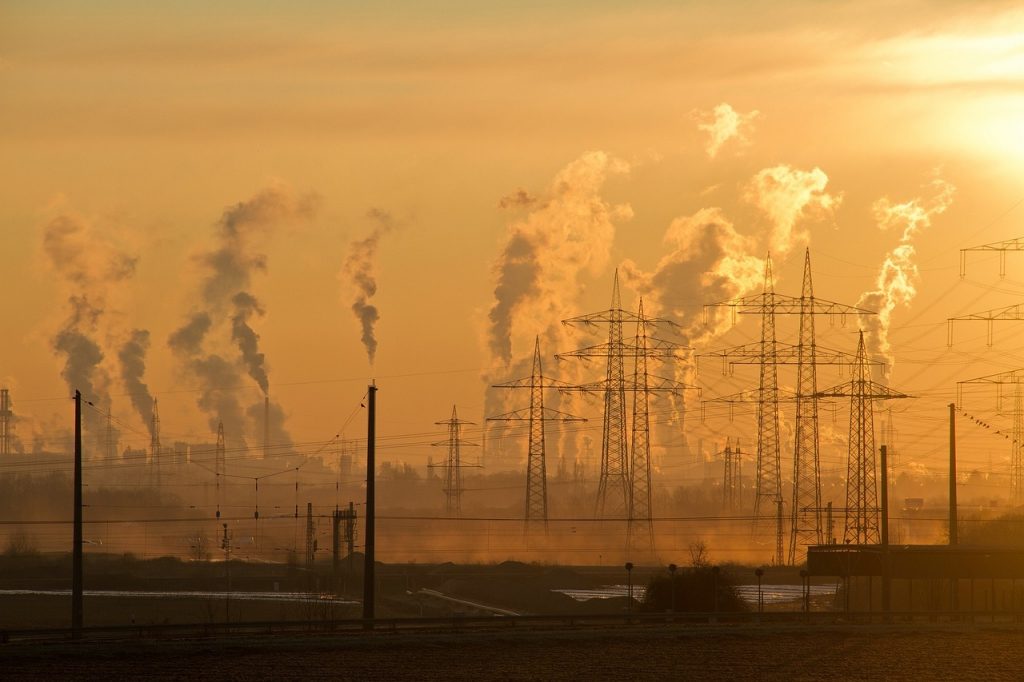
The causes of urban pollution
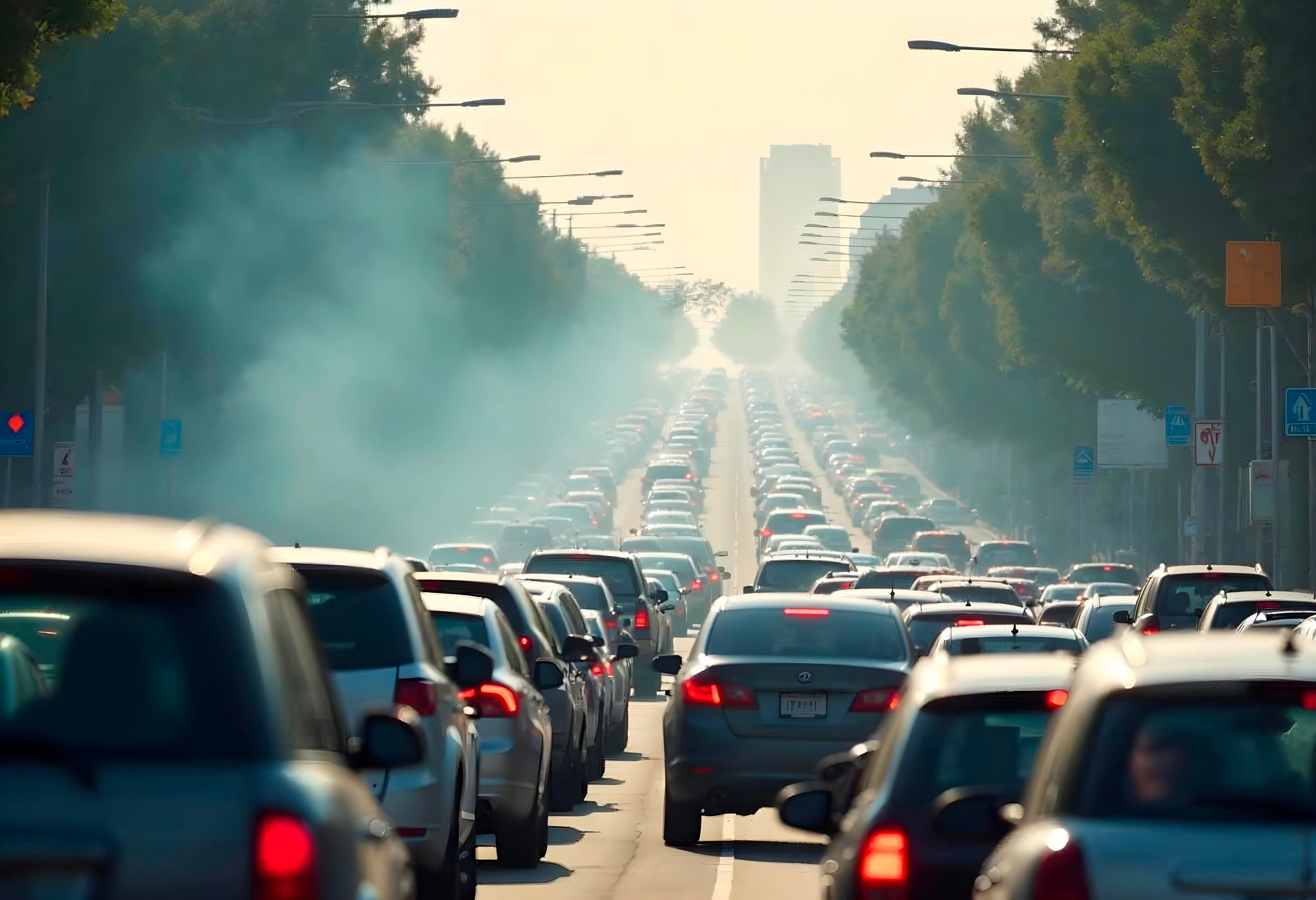
Air pollution remains one of the main risks to public health. Most emissions of fine particulate matter and nitrogen dioxide (NO₂) come from:
- Vehicular traffic in urban areas, especially in large cities such as Milan and Naples (Sky TG24)
- Domestic heating and industries that use fossil fuels or obsolete equipment (legambiente.emiliaromagna.it)
- Agricultural activities and intensive livestock farming, which contribute significantly to fine particulate emissions (legambiente.emiliaromagna.it)
These combined sources make it difficult to keep pollutant levels within the limits set by European legislation and World Health Organisation (WHO) guidelines.
Soft mobility: an opportunity for more liveable cities
One of the areas for action identified in the report concerns sustainable urban mobility: moving around in a more environmentally friendly way not only reduces emissions but also improves the quality of life in urban areas. (legambiente.emiliaromagna.it)
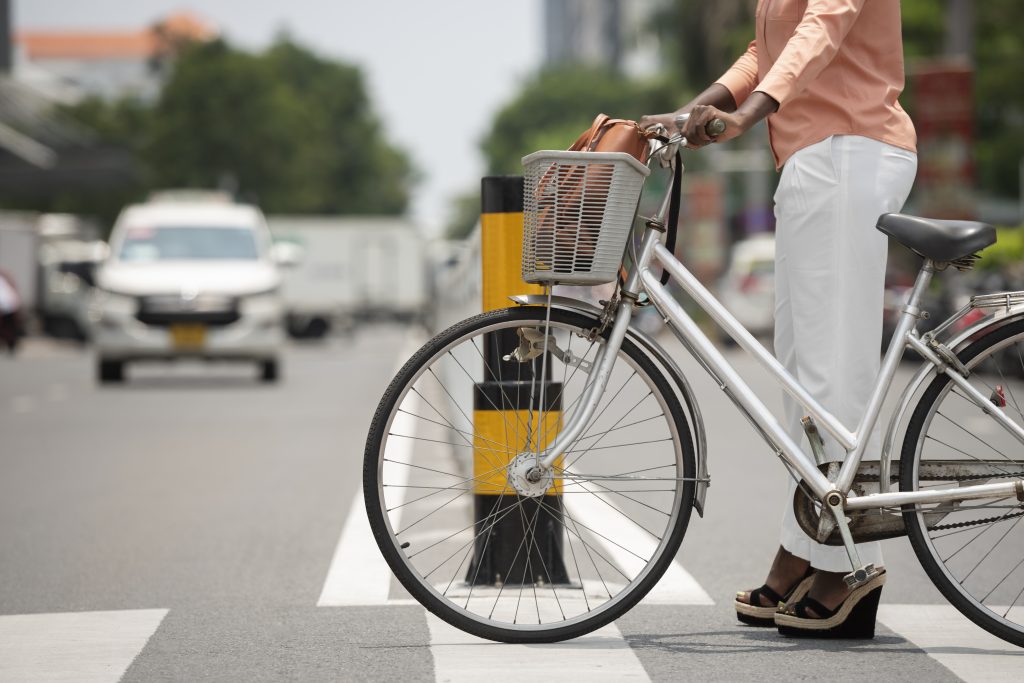
Why soft mobility is important:
✔ It reduces traffic and congestion;
✔ It decreases PM10, PM2.5 and NO₂ emissions;
✔ It promotes healthy lifestyles;
✔ It helps cities meet European air quality targets.
Smart solutions for sustainable mobility
In this context, soft mobility solutions – such as electric bicycles, cargo bikes, scooters and urban mobility accessories – become concrete tools for contributing to the reduction of pollution. Choosing alternatives to private cars can have a positive impact on air quality in our cities and bring us closer to the targets set by European legislation.
Conclusion: a paradigm shift is needed
The Mal’Aria di città 2026 report shows us that, although there are encouraging signs, Italy is still far from achieving the air quality levels required for 2030. (fnob.it)
For this reason, it is essential to combine:
- Active public policies for sustainable mobility,
- Investments in cycle paths, restricted traffic areas and public transport,
- More sustainable daily choices by citizens, such as the use of soft mobility means.
Investing in soft mobility infrastructure is not only an environmental choice, but also a strategic lever for urban quality, public health and regional competitiveness. With suitable products and a sustainability-oriented vision, GaraGeeks Srl supports this change by offering mobility solutions.
Solar 2.0: smart infrastructure for sustainable mobility
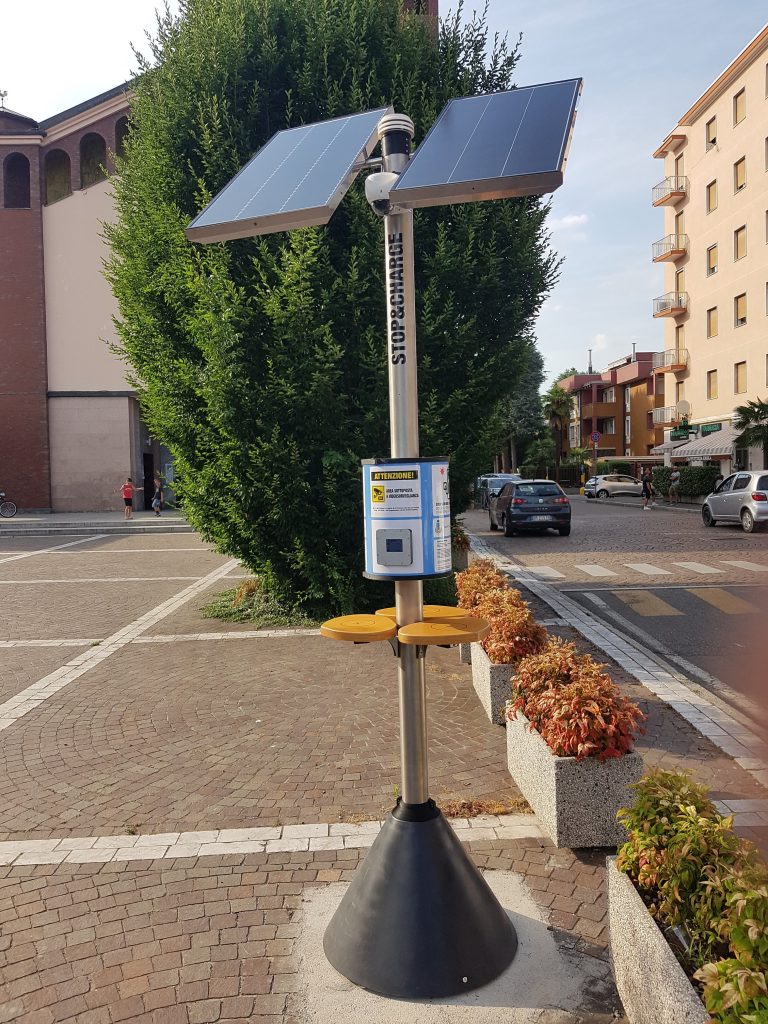
To make soft mobility truly effective, smart infrastructure is also needed. Solar 2.0 by GaraGeeks is a modular solution powered by solar energy, designed to support urban micro-mobility in a sustainable way. Ideal for public spaces, businesses and smart cities, Solar 2.0 helps reduce the environmental impact of traditional infrastructure and promotes the wider use of light electric vehicles, in line with the emission reduction targets set out in the Mal’Aria 2026 Report.
Shelter: protecting and promoting soft mobility in cities
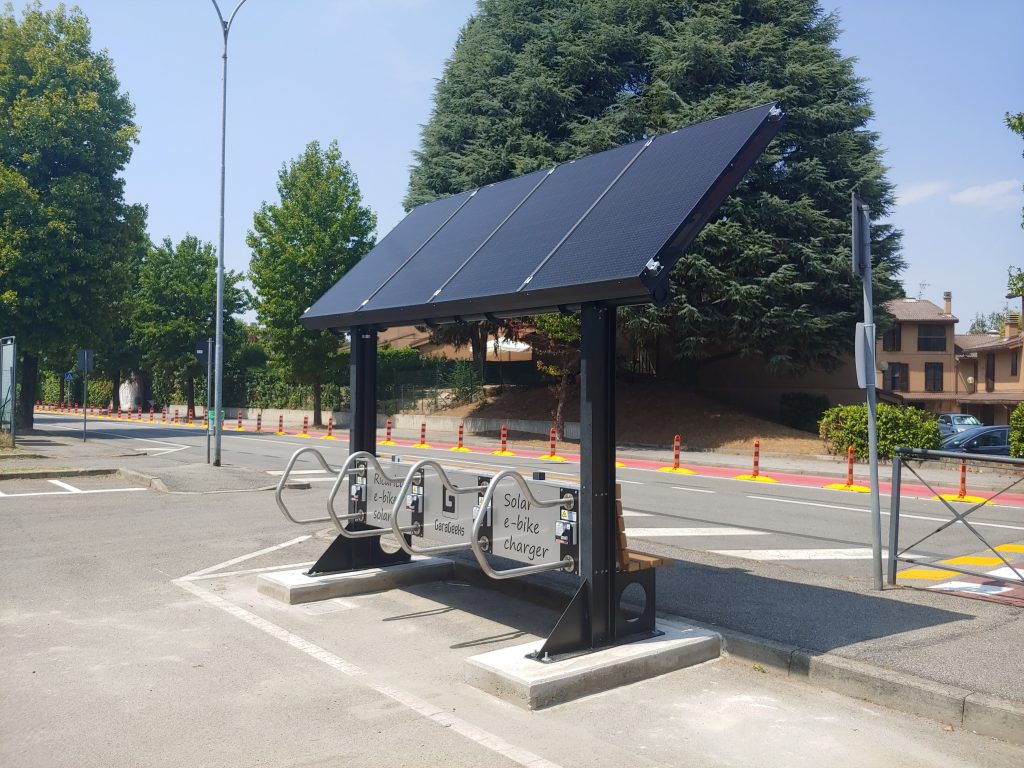
Another key element in reducing traffic and pollution is making the daily use of sustainable means of transport simple and safe. Shelter by GaraGeeks is a solution designed to offer protected and functional spaces dedicated to soft mobility. Designed for urban, corporate and public contexts, Shelter encourages the use of bicycles and light electric vehicles, helping to create tidier, more accessible cities that are less dependent on private cars.